
Typhoon Dujuan: in a warming climate even well-prepared nations remain vulnerable to worsening climate extremes
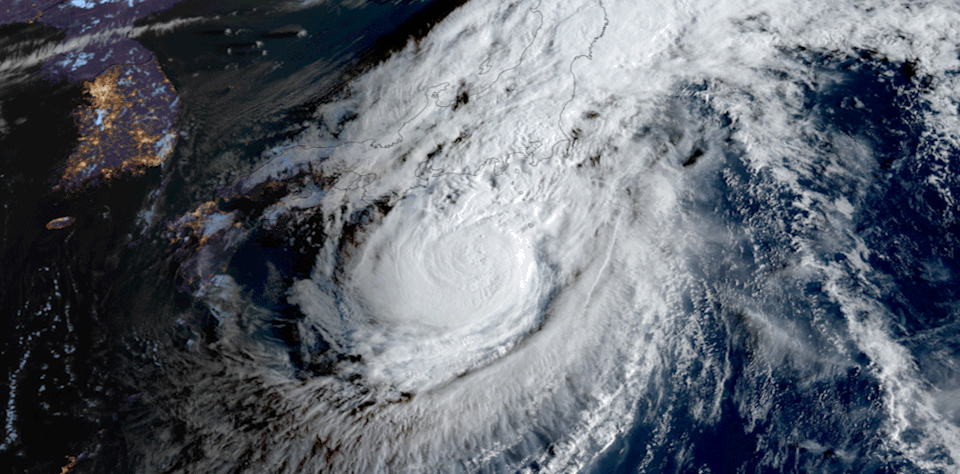
Typhoon Dujuan passes south of Japan before weakening into a tropical storm. Image: Himawari imagery: CSU/CIRA & JMA/JAXA

Typhoon Dujuan, the 25th typhoon of the 2026 typhoon season in Japan, developed over the Western Pacific in September 2026, evolving from a tropical depression into a tropical storm before strengthening into a typhoon, with sustained winds exceeding 120 km/h and powerful gusts (RainViewer; WeatherUSA). Rather than making direct landfall, the system tracked along Japan’s … Continue reading “Typhoon Dujuan: in a warming climate even well-prepared nations remain vulnerable to worsening climate extremes”

Effect of climate change at least as large as El Niño in strengthening Hurricane Polo 

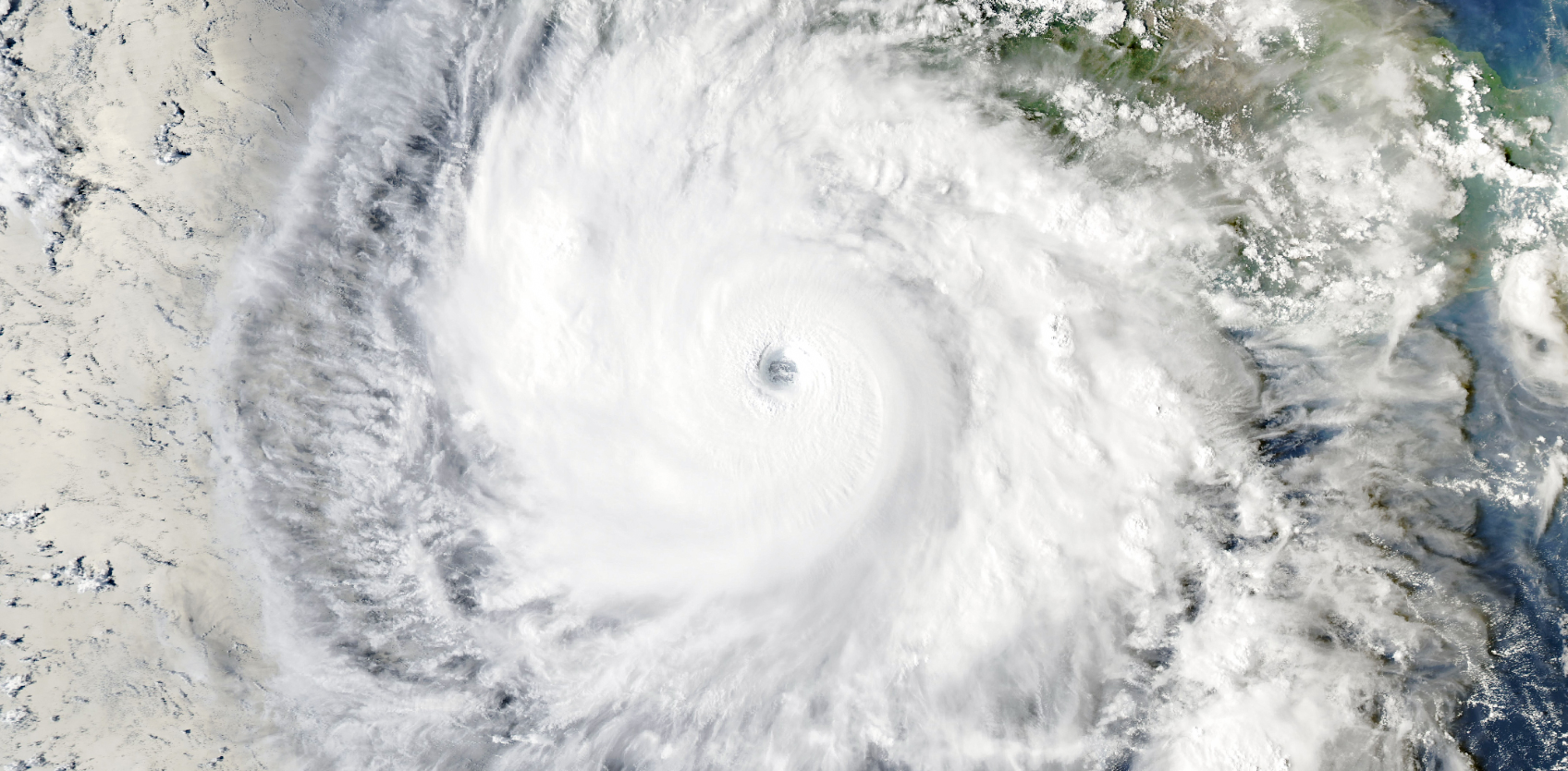
Hurricane Polo off the coast of Mexico on September 23 2026. Image: MODIS - Nasa Earth Observatory

Hurricane Polo developed into a tropical depression on 20 September and rapidly strengthened into a Hurricane within 24 hours. By 22 September, the National Hurricane Center had upgraded the storm to Category 5, making it one of the fastest-strengthening storms observed in the Eastern Pacific (Copernicus, 2026). Exceptionally warm ocean waters supplied the heat and … Continue reading “Effect of climate change at least as large as El Niño in strengthening Hurricane Polo “

Unequal evidence and impacts, limits to adaptation: Extreme Weather in 2025

Introduction  Every December we are asked the same question: was it a bad year for extreme weather? And each year, the answer becomes more unequivocal: yes. Fossil fuel emissions continue to rise, driving global temperatures upward and fueling increasingly destructive climate extremes across every continent. Although 2025 was slightly cooler than 2024 globally, it was … Continue reading “Unequal evidence and impacts, limits to adaptation: Extreme Weather in 2025”

Increasing heavy rainfall and extreme flood heights in a warming climate threaten densely populated regions across Sri Lanka and the Malacca Strait

Cyclone Ditwah in Sri Lanka. UNDP 2025. Eranga Jayawardena/AP Photo.

On 27 November, Cyclonic Storm Ditwah struck Sri Lanka with strong winds and very heavy rainfall, causing the worst flooding and landslides since the early 2000s (UN News, 2025). Cyclonic Storm Ditwah became the deadliest weather-related disaster since the 2004 tsunami. Meanwhile Indonesia, Malaysia and southern Thailand were experiencing persistent heavy rainfall, intensified by Cyclonic … Continue reading “Increasing heavy rainfall and extreme flood heights in a warming climate threaten densely populated regions across Sri Lanka and the Malacca Strait”

Climate change enhanced intensity of Hurricane Melissa, testing limits of adaptation in Jamaica and eastern Cuba

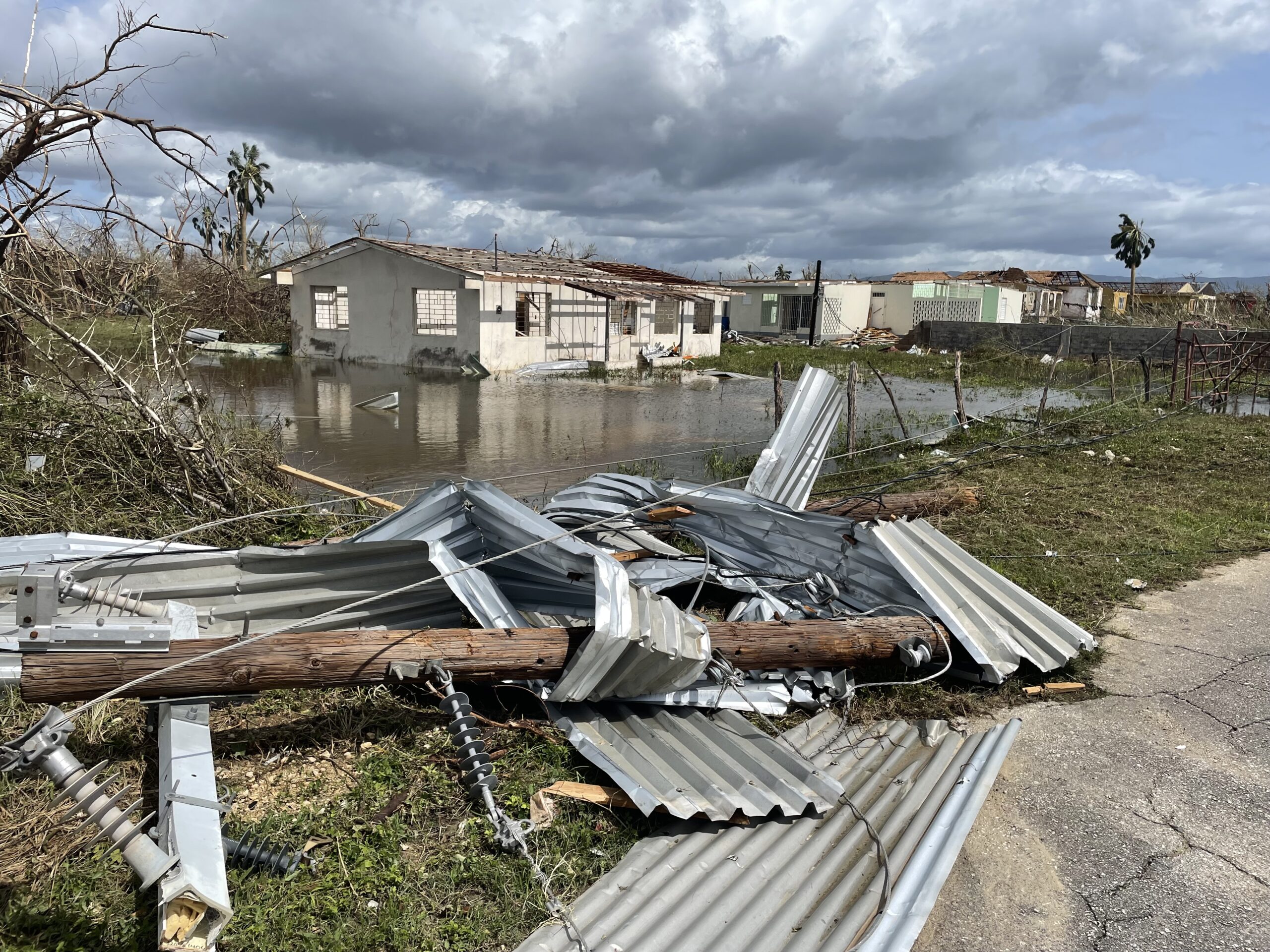
The Ministry of Health of Jamaica and PAHO asses the damage on public health infrastructures after Hurricane Melissa. Image by PAHO.

Early on October 28th, Hurricane Melissa made landfall on the southern coast of Jamaica as a Category 5 storm on the Saffir–Simpson scale, bringing extreme winds, torrential rainfall, and life-threatening storm surges to coastal areas. The following day, Melissa weakened to a Category 3 hurricane before striking Cuba, while also bringing heavy rain and flooding … Continue reading “Climate change enhanced intensity of Hurricane Melissa, testing limits of adaptation in Jamaica and eastern Cuba”