
La Niña, Climate change, high exposure and vulnerability combined led to devastating floods in parts of Southern Africa

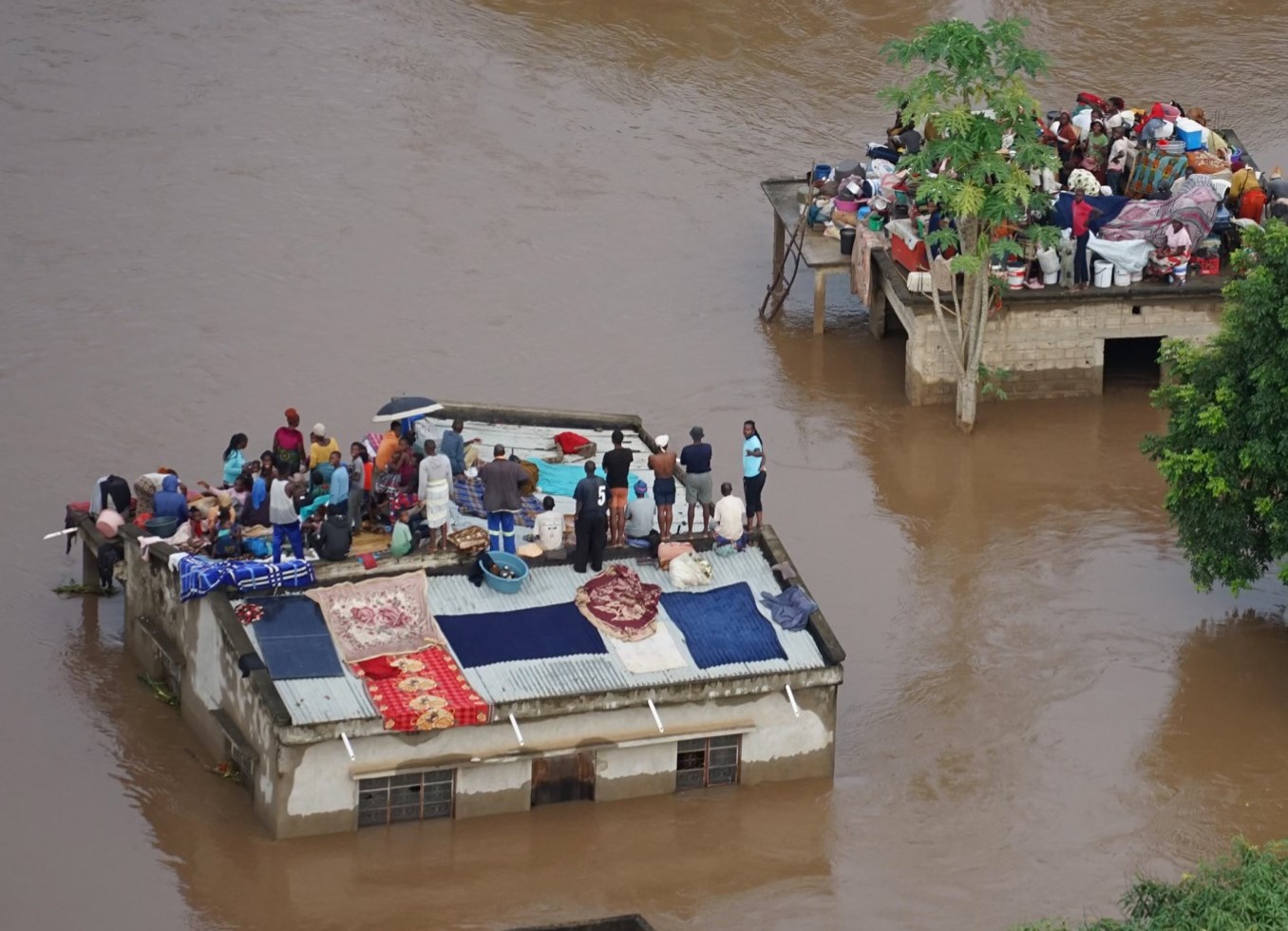
Since late December 2025, severe flooding has affected large parts of Mozambique, Eswatini, northeastern South Africa and Zimbabwe, killing more than 200 people (Al Jazeera, 2026), destroying more than 173,000 acres of crops (Sky News, 2026) and causing further widespread humanitarian and socioeconomic impacts in the affected countries. In Mozambique, more than 75,000 people across … Continue reading “La Niña, Climate change, high exposure and vulnerability combined led to devastating floods in parts of Southern Africa”

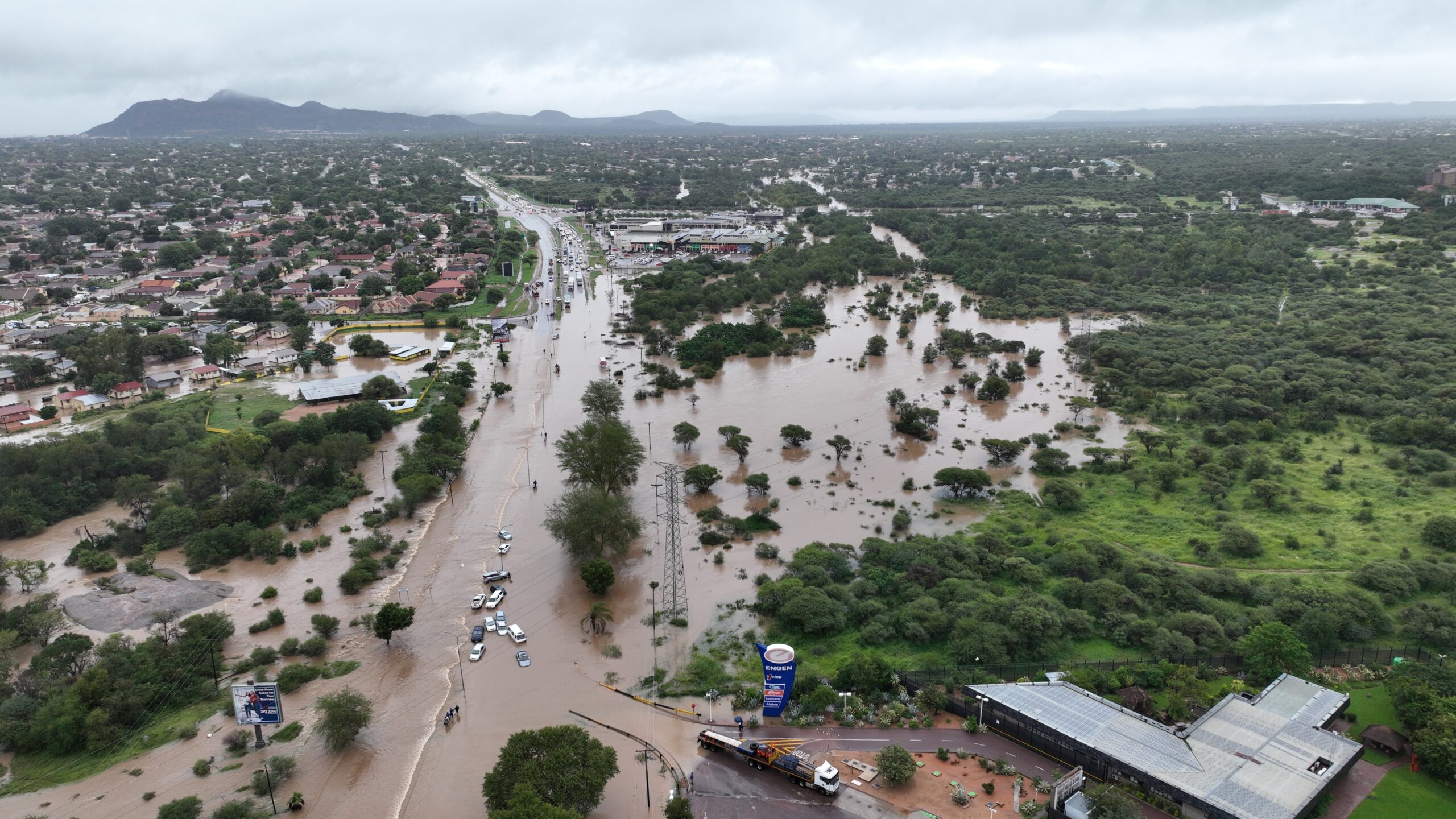
Increasing extreme rainfall and rapid urbanisation, major drivers behind Gaborone’s deadly floods

Gaborone, Botswana - February 20th 2025: Flooding of the Segoditshane river in Gaborone, Botswana, Africa. Bashi Kikia / Shutterstock.com.

In mid-February 2025, southern Botswana and eastern South Africa were hit by heavy rainfall, sparking severe flooding across the region. The floods claimed at least 31 lives, including 22 in KwaZulu-Natal (Mhlophe-Gumede, 2025), near Durban, and at least nine in Botswana’s capital, Gaborone, amongst them six children (Government of Botswana, 2025). At least 5,000 people … Continue reading “Increasing extreme rainfall and rapid urbanisation, major drivers behind Gaborone’s deadly floods”

Women and girls continue to bear disproportionate impacts of heatwaves in South Sudan that have become a constant threat

A women collects water in Juba, South Sudan. Image by Rod Waddington.

Extreme heat has affected a large region of  continental Eastern Africa since mid-February. Extreme daytime temperatures have been recorded in South Sudan particularly affecting people in poor housing and outdoor workers, a very large part of the population.  After dozens of children collapsed with heatstroke in Juba, schools were closed for two weeks nationwide starting … Continue reading “Women and girls continue to bear disproportionate impacts of heatwaves in South Sudan that have become a constant threat”