

Unplanned urbanisation fuels landslide disasters amid emerging rainfall trends
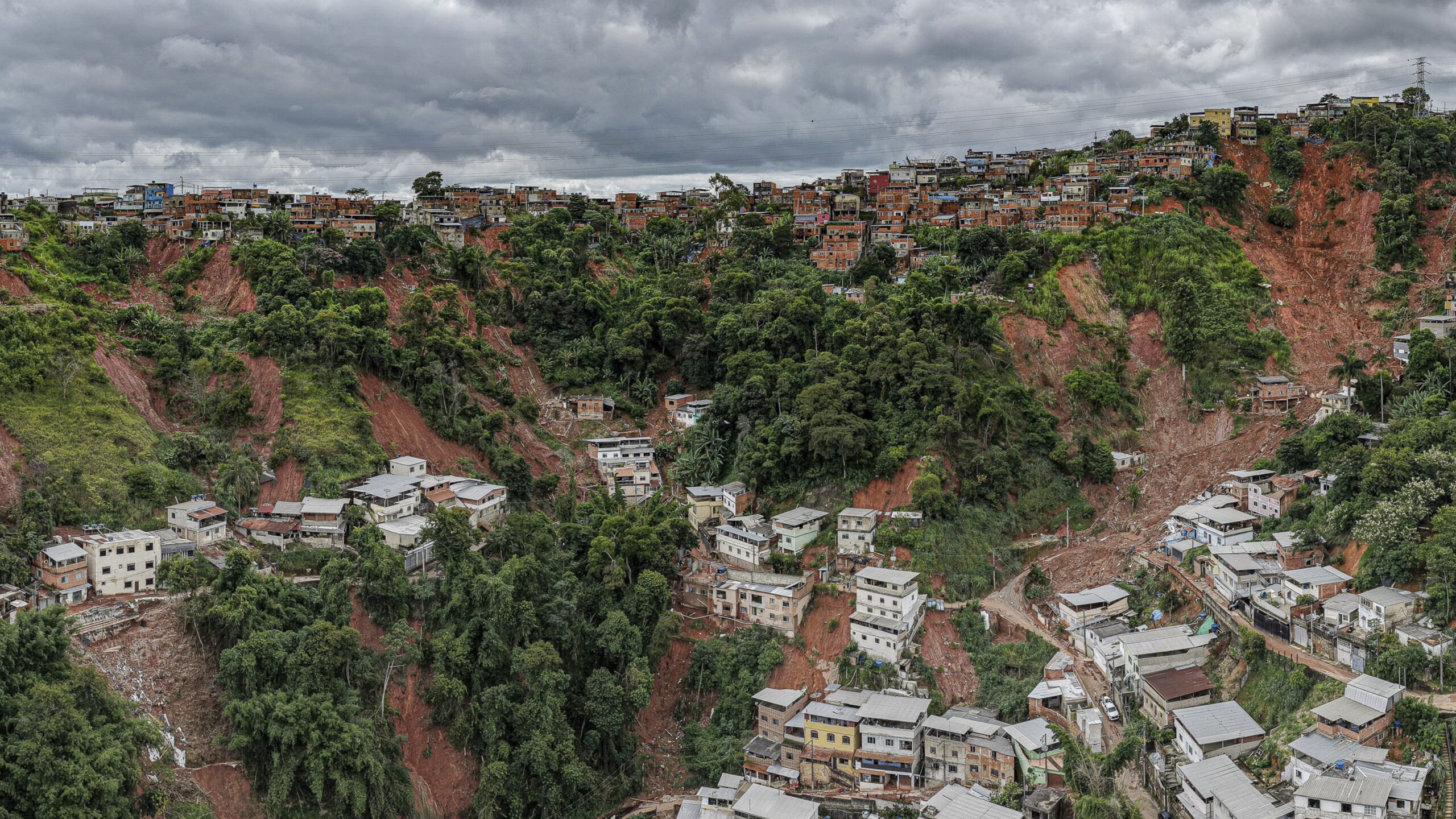
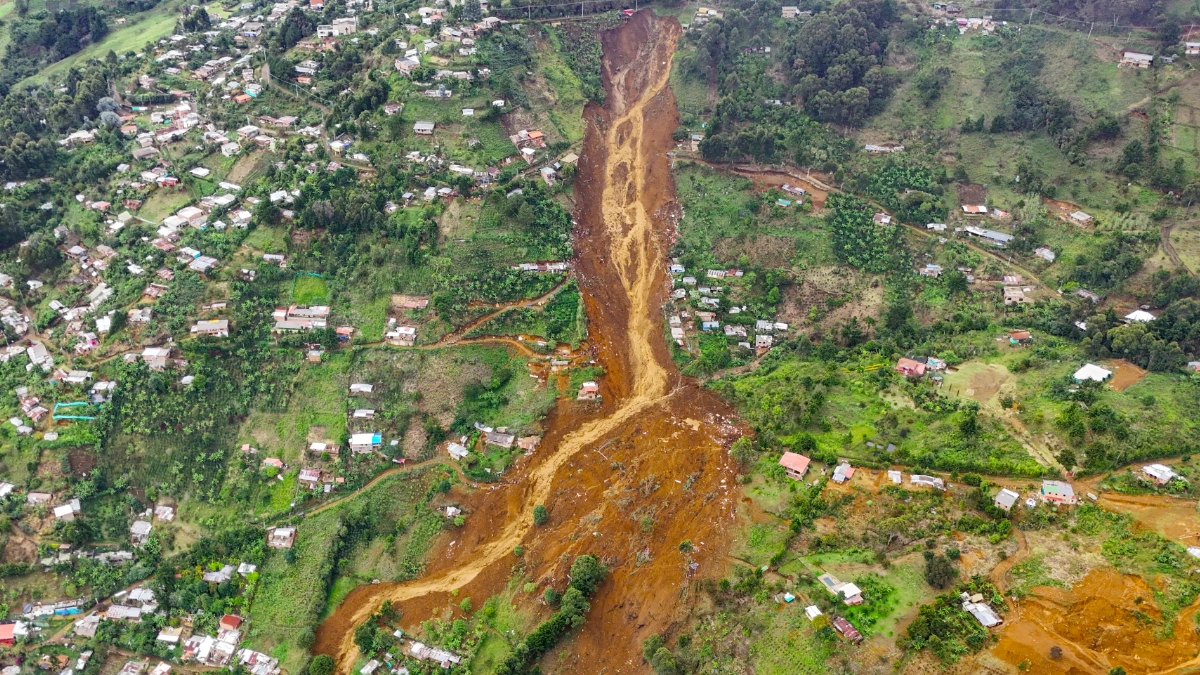
View of impacted areas in the city of Juiz de Fora, Minas Gerais, Brazil

At the end of February, intense and localized rainfall triggered severe flooding and landslides across the Brazilian state of Minas Gerais, resulting in more than 70 fatalities (ReliefWeb, 2026). The city of Juiz de Fora was particularly affected and recorded its wettest month  on record (INMET; G1, 2026). The first heavy rainfall events occurred between … Continue reading “Unplanned urbanisation fuels landslide disasters amid emerging rainfall trends”

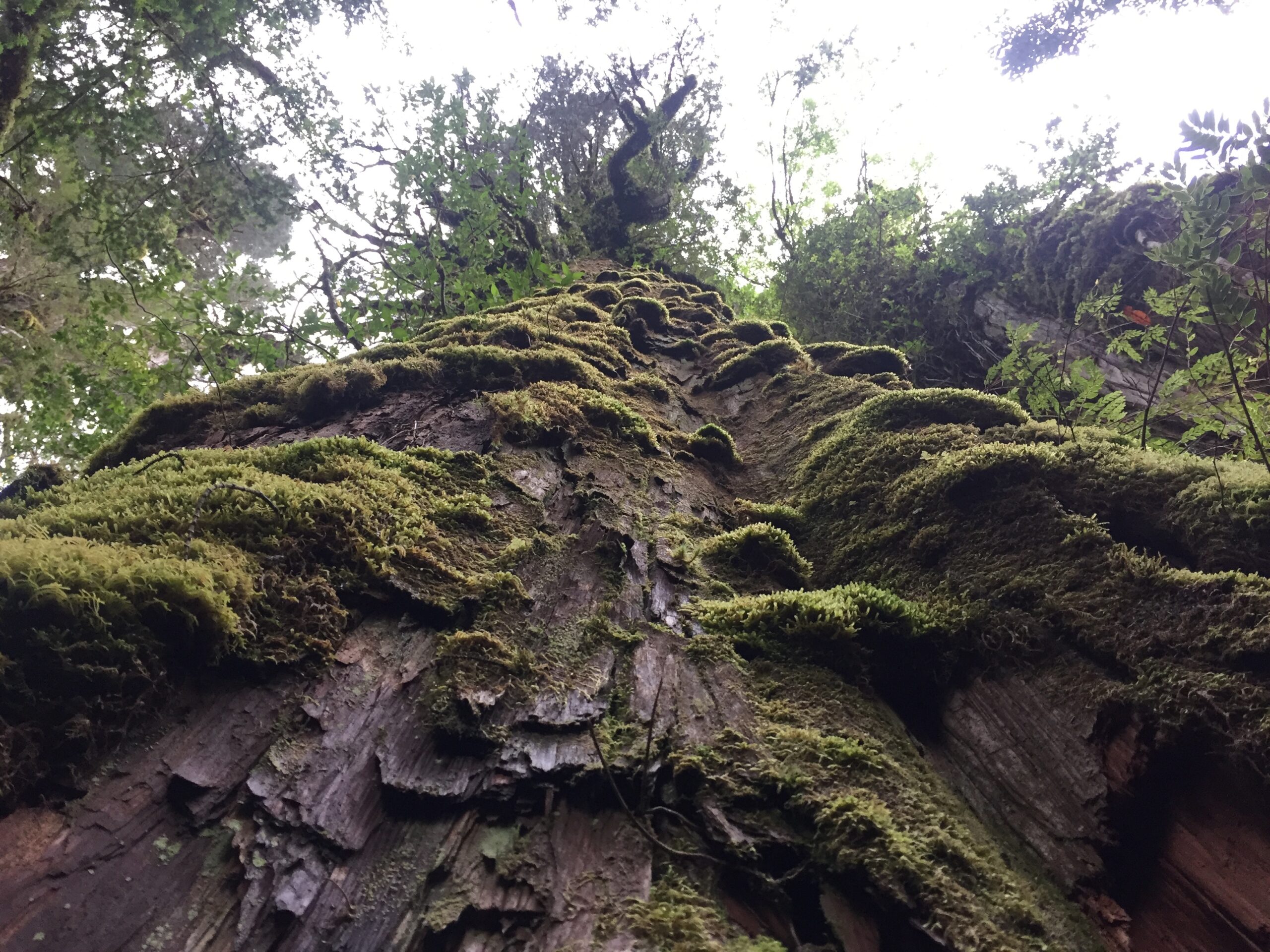
Climate change fuels the destruction of world’s oldest trees

From early January 2026 severe wildfires burned through the Andean foothills of central-southern Chile and across northern Patagonia in Argentina, affecting dense native forests, national parks, and small rural and tourist communities straddling the Chile–Argentina border.  In Argentina, the fires first ignited in early January in Chubut province, then came back with force by 27 … Continue reading “Climate change fuels the destruction of world’s oldest trees”

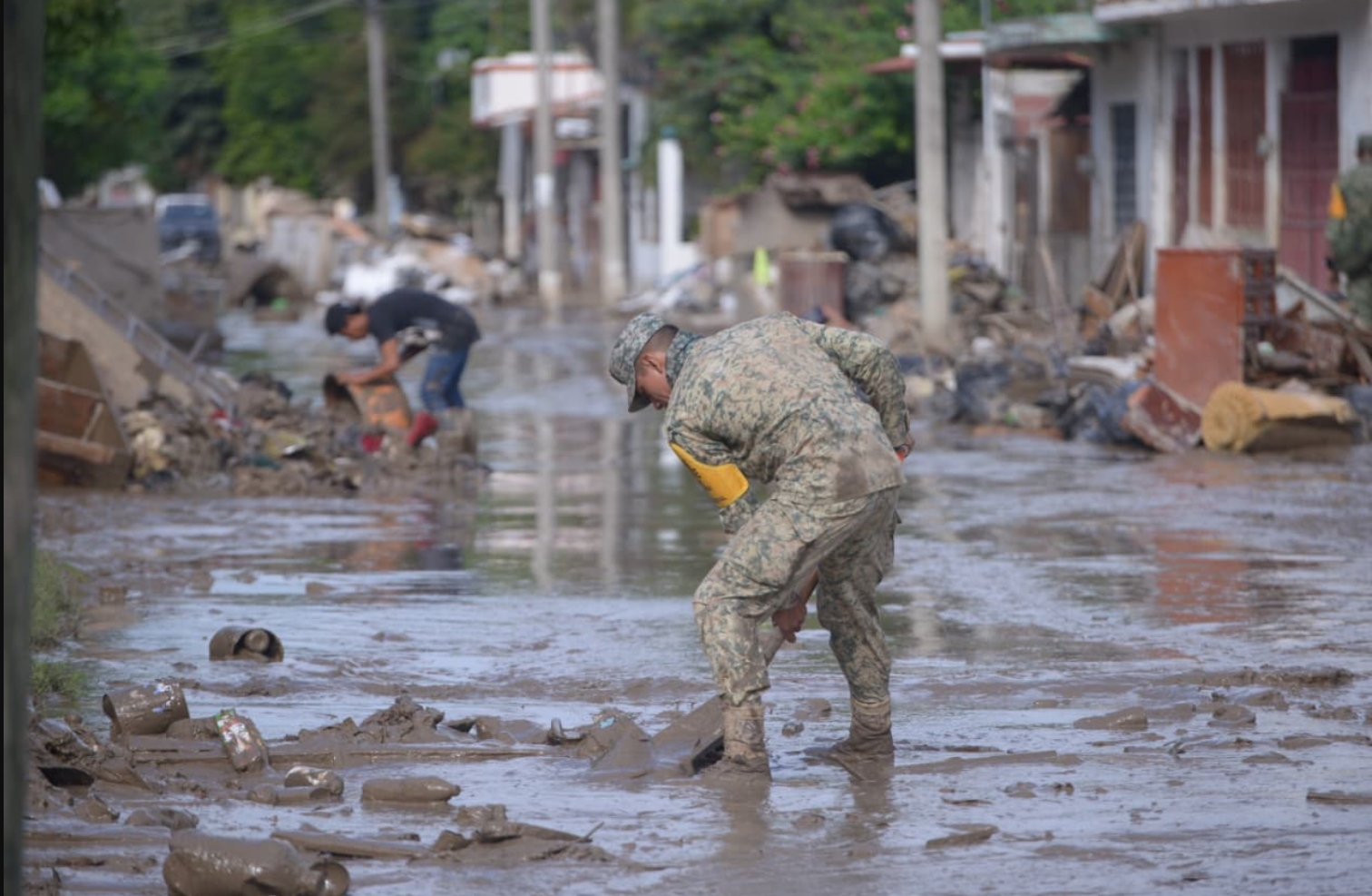
Heavy rainfall leading to widespread flooding in eastern Mexico disproportionately impacts highly exposed Indigenous and socially vulnerable communities

The effort to recover northern Veracruz. Image by Secretaría de Protección Civil de Veracruz.

In early October 2025, three days of very heavy rainfall hit the Eastern coast of Mexico, causing widespread flooding, overflowing rivers, and numerous landslides. Between October 8 and 10, heavy rainfall along Mexico’s Gulf Coast caused severe flooding and landslides across the states of Veracruz, Puebla, Hidalgo, Querétaro, and San Luis Potosí. At the time … Continue reading “Heavy rainfall leading to widespread flooding in eastern Mexico disproportionately impacts highly exposed Indigenous and socially vulnerable communities”

Consecutive extreme heat and flooding events in Argentina highlight the risk of managing increasingly frequent and intense hazards in a warming climate

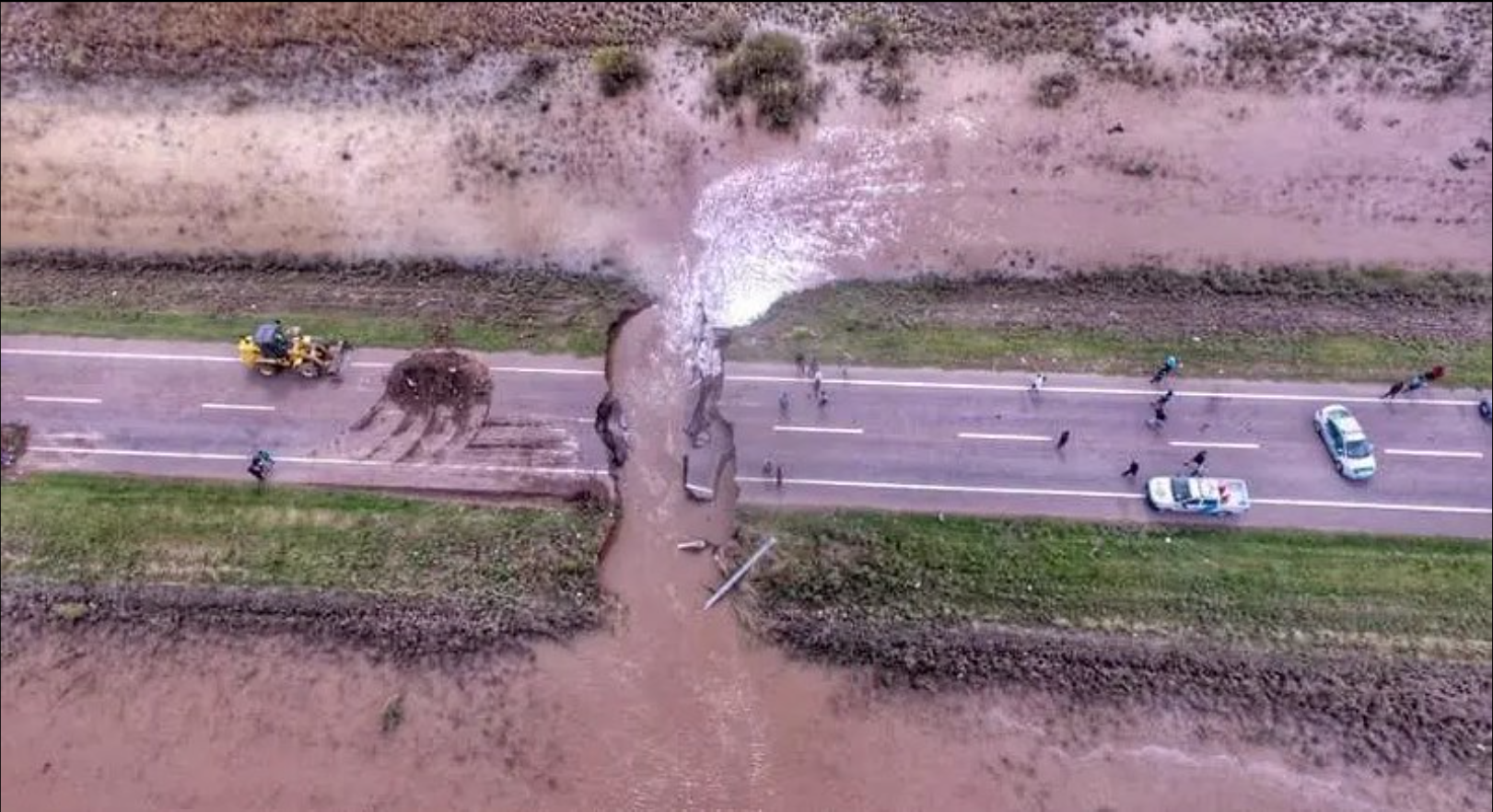
Ruta 3 highway in Bahía Blanca was damaged by the floods. Credit: Vialidad Nacional jurisdicción Bahía Blanca

On 7 March, 2025, Bahía Blanca, Argentina, experienced an unprecedented rainfall event with over 300 mm of rain in just 8 hours, nearly half of the city’s annual average. This extreme event, the heaviest in the city’s recorded history (1956-present), was caused by a cold front reaching the area after several days of hot, humid … Continue reading “Consecutive extreme heat and flooding events in Argentina highlight the risk of managing increasingly frequent and intense hazards in a warming climate”